
Sacroiliac joint pain physiotherapy Surrey is the first step toward lasting relief if a deep ache on one side of your lower back or buttock keeps flaring up when you sit too long, climb stairs or roll over in bed. The sacroiliac joint, often called the SI joint, is small, but when it becomes irritated it can make everyday movement feel much harder than it should.
Many people live with this pain for months because it is often mistaken for ordinary lower back pain, and the treatment they try does not match the real problem. The good news is that most SI joint pain responds well to physiotherapy. With a careful assessment, hands-on treatment and a steady program of stabilisation exercises, most people feel real improvement within a few weeks and learn how to keep the pain from coming back. In this guide, we explain what the SI joint does, what SI joint pain feels like, how it differs from lower back and hip pain, what causes it, and how physiotherapy at Renew Physiotherapy in Surrey can help you move comfortably again.
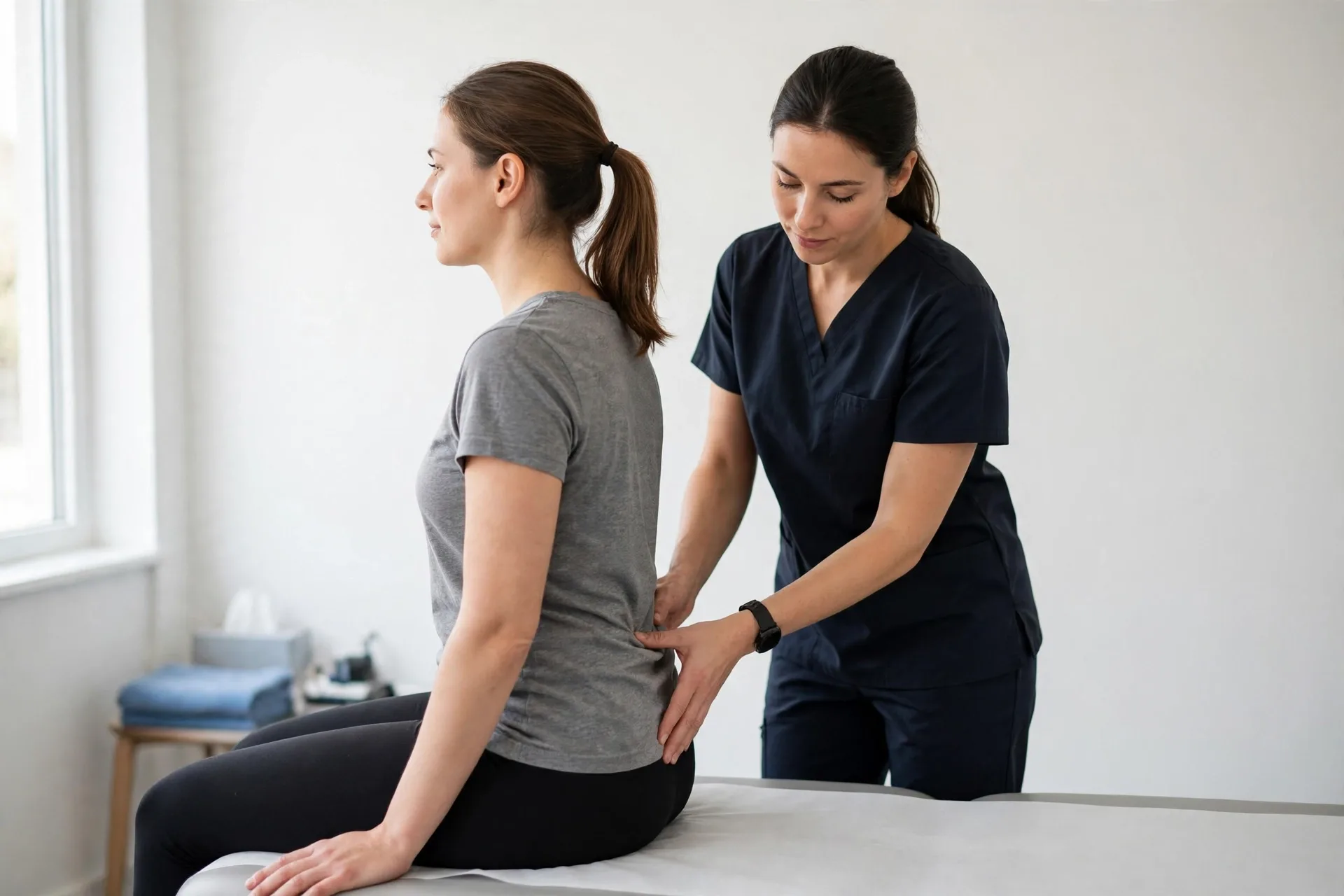
What Is the Sacroiliac Joint?
You have two sacroiliac joints, one on each side of your pelvis. Each one connects the sacrum, the triangular bone at the base of your spine, to the ilium, the large wing-shaped bone of your pelvis. Together, these two joints form the bridge between your upper body and your legs. Every step you take, every time you stand up, lift something or climb a flight of stairs, force passes through your SI joints.
Unlike your knee or shoulder, the SI joint barely moves. It is held together by some of the strongest ligaments in the body, and the muscles around it, your glutes, deep core muscles, pelvic floor and hip muscles, act like guy ropes that keep the pelvis steady. That small amount of movement is exactly the point. The joint is built for stability, not flexibility, and it works best when the load passing through it is shared evenly between both sides.
Problems start when that balance is lost. If the joint moves too little, it can become stiff and sore. If it moves too much, often because the ligaments are loose or the surrounding muscles are weak, it can feel unstable and painful. Both problems cause pain in the same area, which is one reason SI joint pain can be tricky to pin down without a proper assessment.
What Does Sacroiliac Joint Pain Feel Like?
SI joint pain has a pattern, and learning to recognise it is the first step toward getting the right help. Most people describe it like this:
- A deep, dull ache on one side of the very low back or deep in the buttock, often right over the small dimples at the base of the spine
- Pain that gets worse with sitting for a long time, especially on soft chairs or in the car
- Discomfort when standing on one leg, for example while getting dressed or climbing stairs
- A sharp catch or twinge when you move from sitting to standing
- Pain when rolling over in bed or getting in and out of a car
- Stiffness first thing in the morning that eases once you start moving
- Tenderness when you press on the area around the joint
The pain usually stays around the low back, buttock, hip or groin, and sometimes reaches the upper thigh. It rarely travels below the knee. If pain shoots down the whole leg with tingling or numbness, something else, such as an irritated nerve, is more likely to be involved, and that needs a different approach. If this pattern sounds familiar, sacroiliac joint pain physiotherapy Surrey can confirm whether the SI joint is really the source of your pain, or whether something nearby is to blame.
SI Joint Pain vs Lower Back Pain vs Hip Pain
These three problems overlap so much that even health professionals can find them hard to tell apart from symptoms alone. The table below shows the usual clues, but remember that only a hands-on assessment can confirm which one is driving your pain.
Common Causes and Triggers
SI joint pain rarely has one single cause. It usually builds up from a mix of load, movement habits and changes in the body. The most common triggers we see at our Surrey clinic are:
Injury or a fall
A fall onto one side of the pelvis, a car accident, or a heavy lift that twists the body can irritate or strain the joint and the ligaments around it. The pain may start straight away or appear over the following days.
Pregnancy and the months after birth
During pregnancy, the hormone relaxin loosens ligaments throughout the pelvis, and the extra weight changes how you walk and stand. That combination puts more load through the SI joints, which is why pelvic and SI joint pain is one of the most common complaints in pregnancy. For many women the pain settles after birth, but for some it lingers, especially if the pelvic muscles stay weak. This is one reason sacroiliac joint pain physiotherapy Surrey clinics see so many pregnant and postpartum patients, and why early, gentle treatment matters so much in this group.
Sitting, standing and everyday habits
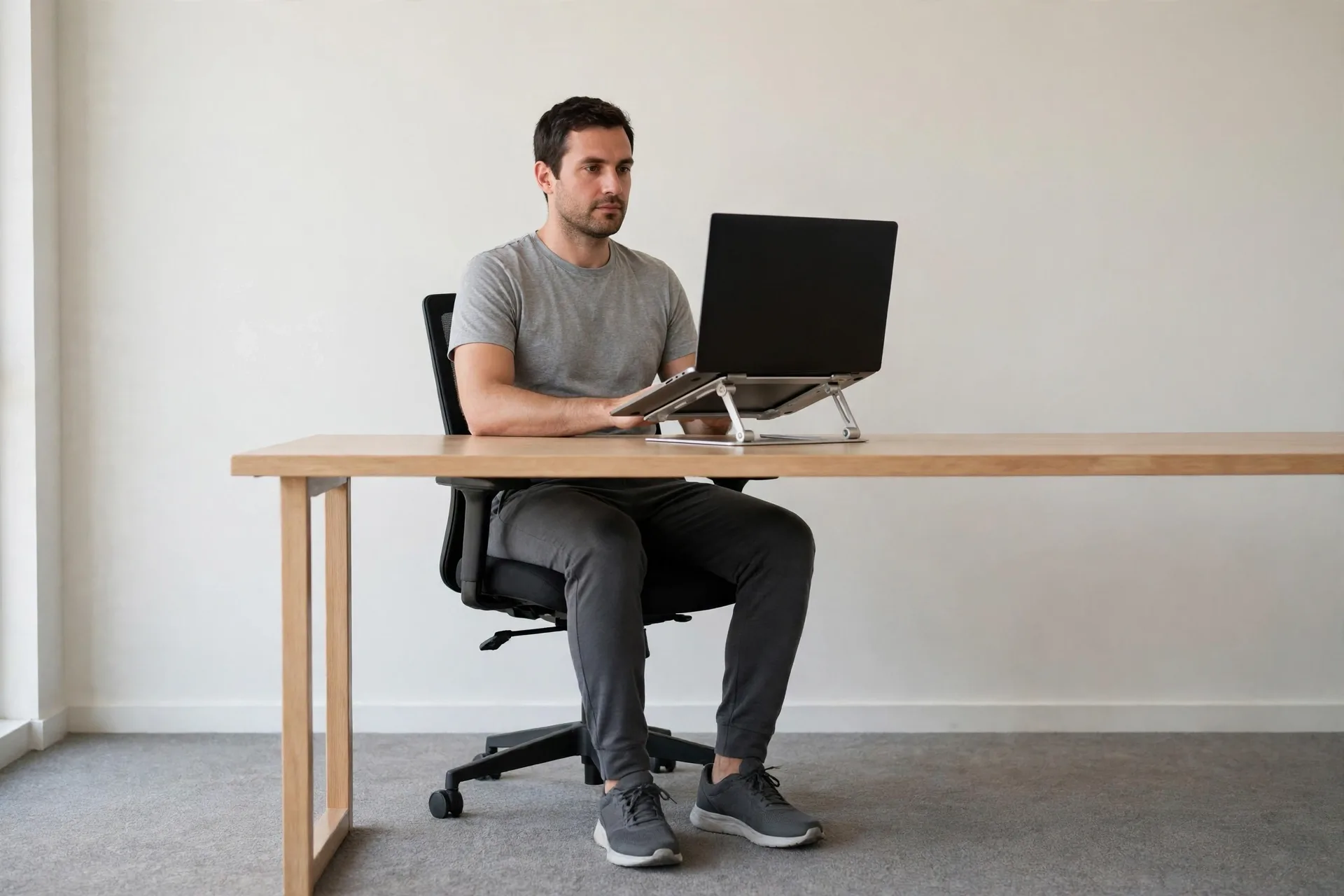
Long hours at a desk, driving, or standing with most of your weight on one leg can all overload one SI joint. Sitting with your legs crossed, leaning to one side, or always carrying a bag on the same shoulder creates the same uneven load, day after day.
Repetitive bending, lifting and twisting
Jobs and sports that involve repeated bending, lifting or twisting, from warehouse work and gardening to golf and soccer, can strain the joint over time, especially if the glutes and core are not strong enough to share the work.
Arthritis and other joint conditions
Uneven load through the pelvis
Weak stabilising muscles
When the glutes, deep core and pelvic floor muscles are weak or slow to switch on, the pelvis loses its steady base and the SI joint takes more strain than it should. This is the most common underlying cause we find, and it is also the most fixable.
How Physiotherapy Assesses SI Joint Pain
There is no single test that can prove SI joint pain on its own, so a proper assessment uses several pieces of evidence together. That is what sacroiliac joint pain physiotherapy Surrey patients receive at Renew: a careful, step-by-step assessment before any treatment begins.
Your first visit usually looks like this:
- A detailed conversation about your pain: where it is, when it started, what makes it better or worse, and what your work, sport and daily life demand from your body.
- Movement testing: how you walk, bend, squat and stand on one leg, and which movements reproduce your pain.
- Hands-on testing: a cluster of gentle provocation tests that stress the SI joint in different ways. If several of these tests reproduce your familiar pain, the SI joint is likely involved.
- Checking the neighbours: your lower back, hips, knees and core strength, because the real driver of the problem is often found somewhere nearby.
- A clear explanation: what we think is causing your pain, what the plan is, and what you can expect over the coming weeks.
Imaging such as X-rays or an MRI is not usually needed for SI joint pain. We may suggest it if your symptoms do not fit the usual pattern, if there has been a serious injury, or if we need to rule out something else. Most of the time, a thorough hands-on assessment gives us everything we need to start treatment.
How Physiotherapy Treats SI Joint Pain
Once we know what is driving your pain, treatment is built around your body and your life, not a generic handout. Most plans combine four things.
Hands-on treatment
Gentle joint mobilisation can restore comfortable movement to a stiff SI joint, while soft tissue techniques release tight glutes, hip muscles and lower back muscles that are pulling the pelvis out of balance. These techniques reduce pain and make it easier to move, which sets the stage for exercise.
Stabilisation exercises
This is the heart of long-term recovery. We teach you exercises that wake up the glutes, deep core and pelvic floor muscles so they hold the pelvis steady when you walk, lift and climb stairs. The exercises start easy and progress as you get stronger, and they are the reason most people stay pain-free after treatment ends.
SI joint belt guidance
An SI joint belt is a wide, firm belt worn low around the pelvis. It squeezes the joint gently and can give real relief, especially in the early weeks or during pregnancy. We show you how to fit it, when to wear it, and when to take it off. A belt is a support, not a cure: it works best alongside exercise, and wearing it all day every day can make the stabilising muscles lazier, so we help you wean off it as you get stronger.
Posture and movement retraining
Small changes in how you move add up. We look at how you sit at your desk, how you get in and out of the car, how you lift, and how you roll over in bed, and we teach you versions of these movements that load the SI joint evenly. Many people are surprised how much difference a few simple changes make.
A typical course of sacroiliac joint pain physiotherapy Surrey treatment runs for four to eight weeks, with most people noticing real improvement within the first two to three weeks. Your plan is adjusted at every visit based on how you respond, and the goal is always the same: less pain, better movement, and the strength and habits to keep it that way.
Exercises to Do at Home
These five exercises are a good starting point for most people with SI joint pain. They are the same kinds of exercises we prescribe in sacroiliac joint pain physiotherapy Surrey sessions at Renew, and they are safe to start once the sharpest pain has settled. Do them slowly, breathe normally, and stop if any exercise causes sharp pain. A mild ache that settles within a few minutes is normal when you are starting out. If you are unsure whether an exercise is right for you, ask your physiotherapist first.
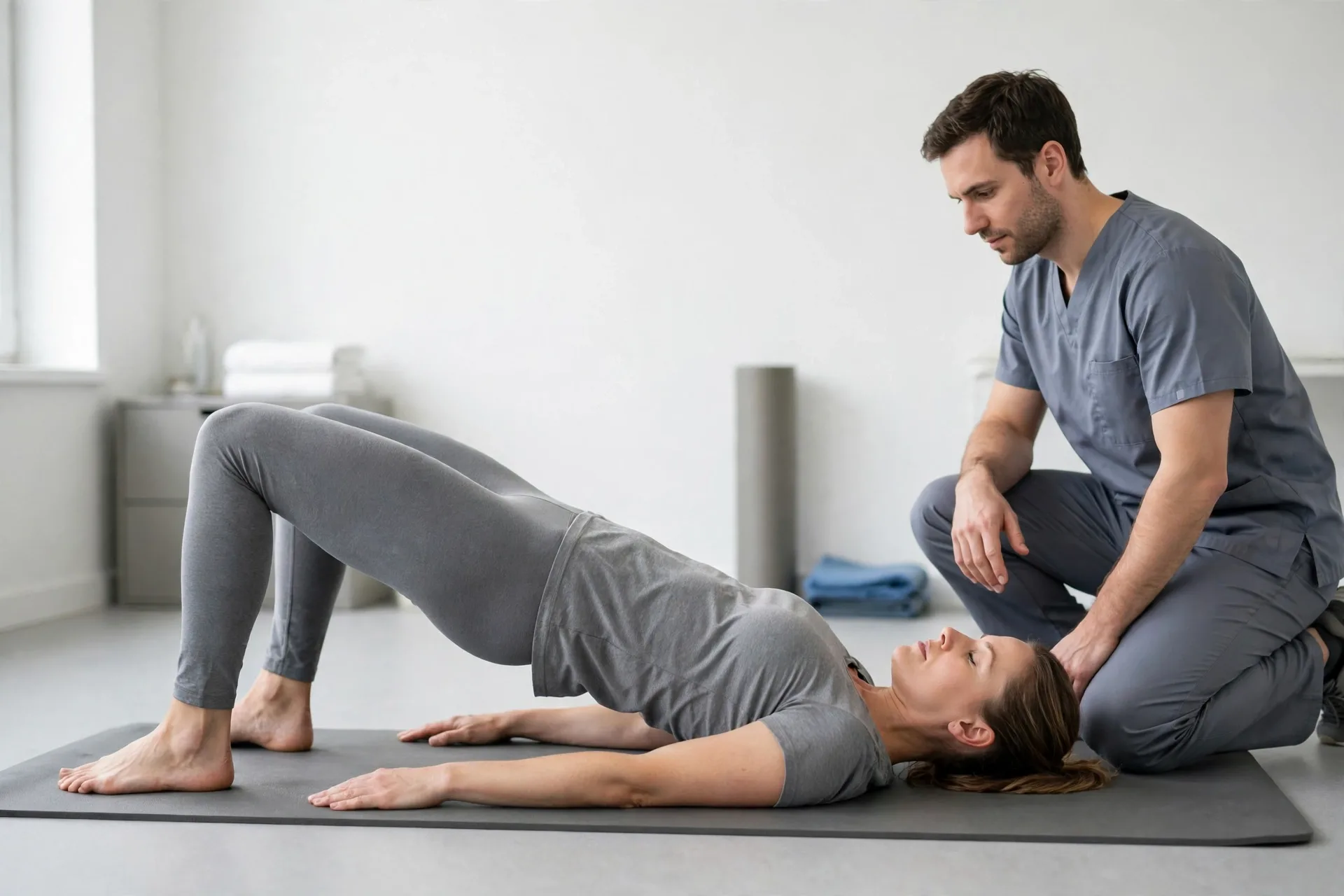
1. Glute bridge
Lie on your back with your knees bent and feet flat on the floor. Tighten your glutes and lift your hips until your body forms a straight line from shoulders to knees. Hold for five seconds, then lower slowly. Do 10 repetitions, twice a day.
2. Clamshell
Lie on your side with your knees bent and feet together. Keeping your feet touching, lift the top knee as far as comfortable without rolling your hips back. Lower slowly. Do 10 repetitions on each side.
3. Dead bug
Lie on your back with your arms pointing to the ceiling and your hips and knees bent at 90 degrees. Slowly lower one arm and the opposite leg toward the floor, keeping your lower back gently pressed into the floor. Return and switch sides. Do 8 repetitions on each side.
4. Bird dog
Start on all fours with your hands under your shoulders and knees under your hips. Slowly reach one arm forward and the opposite leg back, keeping your hips level. Hold for five seconds, then switch. Do 8 repetitions on each side.
5. Figure-4 hip stretch
Lie on your back and cross one ankle over the opposite knee. Reach through and gently pull the lower leg toward your chest until you feel a stretch deep in the buttock. Hold for 30 seconds, then switch sides.
Walking is also part of the program. Short, frequent walks, ten to fifteen minutes a few times a day, keep the joint moving and the muscles working without overloading anything. Build up gradually as your pain allows.
What to Avoid With SI Joint Pain
- Sitting for more than 30 to 45 minutes without standing up and moving
- Heavy lifting combined with twisting, especially first thing in the morning
- High-impact exercise such as running or jumping until the pain has settled
- Standing with all your weight on one leg, or leaning on one hip for long periods
- Sleeping on your stomach; side sleepers should try a pillow between the knees
- Wearing an SI joint belt all day, every day, once the early pain has eased
- Pushing through sharp pain during exercise, pain is a signal, not a challenge
Avoiding these things does not mean avoiding movement altogether. Resting in bed for days makes SI joint pain worse, not better. The aim is to keep moving, but to move in ways that share the load evenly.
When to See a Physiotherapist
Book an assessment if your pain has lasted more than a week or two, keeps coming back, or is stopping you from working, sleeping or doing the things you enjoy. See us sooner if the pain started after a fall or accident, or during or after pregnancy.
Some symptoms need a doctor promptly, not a physiotherapist. Seek medical attention straight away if you have fever, unexplained weight loss, severe pain at night, worsening weakness or numbness in the leg, changes in bowel or bladder control, or pain after a major trauma. These are uncommon, but they need to be checked quickly.
How Renew Physiotherapy Helps in Surrey
At Renew Physiotherapy, your care starts with a one-on-one assessment, not a rushed look and a printed sheet of exercises. We find out whether the SI joint is the real source of your pain, what is overloading it, and what needs to change. Then we build a plan around you: hands-on treatment to ease pain, stabilisation exercises to rebuild support, and practical advice on sitting, lifting, sleeping and moving so the pain stays away.
That is what good sacroiliac joint pain physiotherapy Surrey looks like: a clear diagnosis, a personalised plan, and steady progress you can feel. Most of our patients notice real improvement within a few weeks, and they leave with the exercises and habits to look after their pelvis for the long term.
If SI joint pain is getting in the way of your life, we would love to help. Call us at (236) 450-0171 or visit us at 5722 176a Street, Surrey, BC V3S 4H2 to book an assessment. The sooner we find the real cause of your pain, the sooner you can get back to moving comfortably.
Frequently Asked Questions
How do I know if my pain is from the SI joint?
You cannot be sure from symptoms alone, because SI joint pain, lower back pain and hip pain overlap. The usual clues are pain on one side of the very low back or buttock, pain with sitting, stairs or rolling in bed, and a sharp catch when standing up. A physiotherapy assessment with a cluster of hands-on tests is the most reliable way to find out.
How long does SI joint pain take to get better?
Most people feel real improvement within two to three weeks of starting treatment, and a typical course of sacroiliac joint pain physiotherapy Surrey lasts four to eight weeks. Pain that has been there for months, or pain linked to pregnancy or arthritis, can take longer, but steady progress is still the norm.
Does an SI joint belt really help?
Yes, for many people. A well-fitted belt worn low around the pelvis can reduce pain noticeably, especially in the early weeks or during pregnancy. It works best as a short-term support alongside exercise, not as a permanent fix.
Can I exercise with SI joint pain?
Yes, and you should. Gentle movement and the right exercises are the core of recovery. Start with the stabilisation exercises in this guide, keep walks short and frequent, and avoid high-impact activity and heavy twisting lifts until your pain has settled.
Is SI joint pain common in pregnancy?
Very common. Hormonal changes loosen the pelvic ligaments and the extra weight changes how you walk, which puts more load through the SI joints. Gentle, pregnancy-safe physiotherapy, including hands-on treatment, stabilisation exercises and belt guidance, helps most women feel much more comfortable.
Do I need an X-ray or MRI for SI joint pain?
Usually not. A thorough hands-on assessment is enough to start treatment in most cases. Imaging is worth considering if your symptoms do not fit the usual pattern, if there has been a serious injury, or if your pain is not improving as expected.
Get Back to Moving Without SI Joint Pain
SI joint pain can make the simplest things, sitting, standing, climbing stairs, rolling over in bed, feel like hard work. But it is also one of the most treatable causes of lower back and buttock pain. With the right assessment, hands-on treatment, stabilisation exercises and a few changes to how you move, most people get lasting relief within weeks, and that is exactly what sacroiliac joint pain physiotherapy Surrey is designed to deliver.
If you recognise your pain in this guide, do not wait for it to sort itself out. Book an assessment at Renew Physiotherapy in Surrey by calling (236) 450-0171 or visiting us at 5722 176a Street, Surrey, BC V3S 4H2. We will find the real cause of your pain and help you get back to moving comfortably, for good.